Value Statement

“Create a value statement.” We hear this when we prepare to launch a new product or service, we tackle it when we put together a proposal draft, and sometimes our co-workers roll their eyes when we say we need to create one. The words “value statement” are starting to feel a bit cliché, like the sayings “in our wheelhouse” or “deep dive.” What does “value statement” mean, why should we care, and is it actually of value?
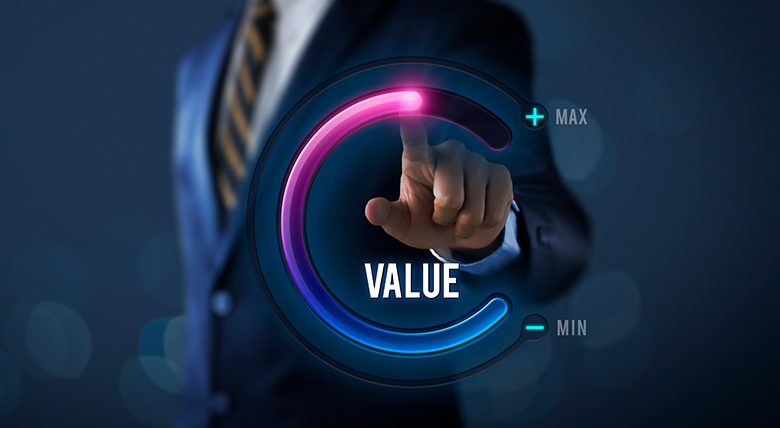
Let’s start at the beginning with the word value. One of Dictionary.com’s definitions of value is “to consider with respect to worth, excellence, usefulness, or importance.”
Value is not tangible, yet it is measured. It shows us what is worthwhile, useful, important, and excellent.
Devin Dukes and Nicole Shaffer, CP APMP, are business development leads at BerryDunn, a New England-based certified public accounting and management consulting firm. They can be reached at ddukes@berrydunn.com and nshaffer@berrydunn.com, respectively.
RAIN Group, a global sales training company, shares three rules for building a value proposition.
- Resonate. When something resonates, it creates a visceral response. Think of a trumpet playing taps or the sound of a train whistle in the distance.
- Differentiate. Competition is fierce. How do we set ourselves apart from the crowd? Do we “think different” like Apple? Do we “walk to the beat of a different drummer”?
- Substantiate. Something substantial is solid. We believe it because facts establish proof. When a message has substance, it is difficult to dismiss as inconsequential.
Devin Dukes and Nicole Shaffer, CP APMP, are business development leads at BerryDunn, a New England-based certified public accounting and management consulting firm. They can be reached at ddukes@berrydunn.com and nshaffer@berrydunn.com, respectively.